
-6%
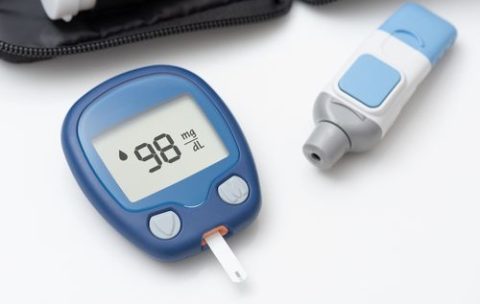
PG Diploma in Diabetology
Postgraduate Diploma in Diabetology is a specialized program designed to …
What you'll learn
Understand the epidemiology, classification, and pathophysiology of diabetes mellitus.
Diagnose and manage Type 1, Type 2, and gestational diabetes effectively.
Implement evidence-based approaches for insulin and oral hypoglycemic therapy.
Manage acute and chronic complications of diabetes, including neuropathy and nephropathy.
Design patient-specific diet and lifestyle modification plans.
Apply preventive strategies for early detection and long-term management.
Develop skills in patient education, counseling, and continuous monitoring.

-8%
Fellowship in Rheumatology
The Fellowship in Rheumatology is a specialized postgraduate program designed …
What you'll learn
Understand the pathophysiology and classification of rheumatic diseases.
Diagnose autoimmune and inflammatory disorders through clinical and laboratory evaluation.
Manage acute and chronic rheumatologic conditions effectively.
Interpret immunologic and imaging studies relevant to rheumatology.
Administer and monitor immunosuppressive and biologic therapies safely.
Apply evidence-based treatment guidelines in clinical practice.
Provide multidisciplinary care for patients with complex systemic disorders.
Counsel patients on disease management, lifestyle, and therapy adherence.
Recognize complications and comorbidities associated with autoimmune diseases.
Uphold ethical and compassionate standards in rheumatologic care.
-8%
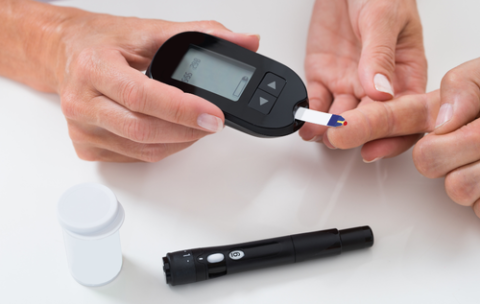
Fellowship in Diabetology
The Fellowship in Diabetology is a comprehensive postgraduate program designed …
What you'll learn
Understand the pathophysiology, classification, and epidemiology of diabetes mellitus.
Diagnose and manage type 1, type 2, and gestational diabetes effectively.
Develop individualized treatment plans incorporating pharmacological and non-pharmacological therapies.
Gain proficiency in insulin therapy, glucose monitoring, and diabetic foot care.
Recognize and manage acute and chronic complications of diabetes.
Apply nutritional counseling and lifestyle modification strategies for diabetes prevention.
Interpret laboratory investigations and utilize diagnostic tools for effective management.
Implement patient education and community awareness programs.
Conduct clinical research and contribute to diabetes care innovation.
Promote ethical, evidence-based, and multidisciplinary approaches to diabetes management.