
-8%
Fellowship in Medical Oncology
The Fellowship in Medical Oncology is a specialized postgraduate program …
What you'll learn
Understand the epidemiology, biology, and pathophysiology of various cancers.
Diagnose and stage malignant diseases accurately using clinical and diagnostic tools.
Plan and administer chemotherapy, targeted therapy, and immunotherapy safely.
Manage treatment-related toxicities and provide supportive cancer care.
Collaborate with surgical and radiation oncologists for integrated cancer management.
Apply evidence-based protocols in cancer prevention and treatment.
Counsel patients and families on diagnosis, treatment options, and prognosis.
Participate in cancer screening and early detection programs.
Engage in oncology research and contribute to advancements in cancer care.
Uphold ethical and compassionate standards in the practice of medical oncology.n.
Featured
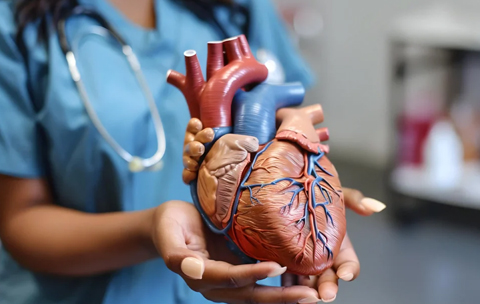
PG Diploma in Clinical Cardiology
The Postgraduate Diploma in Cardiology is an advanced academic program …
What you'll learn
Understand the anatomy, physiology, and pathophysiology of the cardiovascular system.
Identify, evaluate, and manage common and complex cardiac disorders.
Interpret ECGs, echocardiograms, and other key cardiac diagnostic tests accurately.
Apply evidence-based guidelines in cardiac disease management and prevention.
Develop competence in managing cardiac emergencies and acute coronary syndromes.
Understand pharmacological and non-pharmacological approaches to cardiovascular care.
Promote preventive cardiology through lifestyle interventions and patient education.
Engage in research and continuous learning in the field of cardiology.
Collaborate effectively within multidisciplinary cardiac care teams.
Uphold ethical standards and professional integrity in cardiac practice.
Fellowship in Clinical Cardiology
The Fellowship in Cardiology is a postgraduate program designed to …
What you'll learn
Demonstrate advanced understanding of cardiovascular anatomy, physiology, and pathology.
Diagnose and manage common and complex cardiovascular diseases with confidence.
Interpret and utilize diagnostic tools including ECG, echocardiography, and stress testing.
Understand the indications, techniques, and outcomes of interventional cardiology procedures.
Develop skills in managing cardiac emergencies and acute coronary syndromes.
Apply evidence-based medicine principles in the treatment and prevention of heart diseases.
Promote lifestyle modifications and preventive strategies to reduce cardiovascular risk.
Engage in clinical research and contribute to advancements in cardiology.
Collaborate effectively within multidisciplinary cardiac care teams.
Foster continuous learning and ethical practice in cardiovascular medicine.