
-31%
Advance Certificate Internal Medicine
This comprehensive program equips healthcare professionals with advanced knowledge and …
What you'll learn
Develop a structured approach to clinical assessment and diagnosis.
Strengthen skills in history taking and systematic physical examination.
Manage common and complex medical conditions using evidence-based approaches.
Interpret CBC, LFT, KFT, electrolytes, ABG and other laboratory investigations.
Develop confidence in ECG and chest X-ray interpretation.
Understand diagnosis and management of diabetes, hypertension and cardiovascular diseases.
-24%
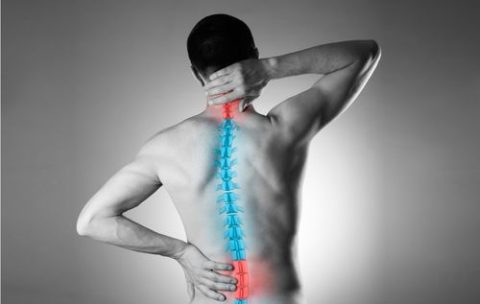
Fellowship in Orthopedics
The Fellowship in Orthopedics is an advanced postgraduate program designed …
What you'll learn
Understand the anatomy and biomechanics of the musculoskeletal system.
Diagnose and manage fractures, dislocations, and orthopedic trauma.
Perform and assist in common orthopedic surgical procedures.
Apply evidence-based approaches to joint, bone, and spine disorders.
Manage degenerative, infectious, and inflammatory orthopedic diseases.
Provide preoperative and postoperative care for orthopedic patients.
Utilize imaging and diagnostic tools for accurate assessment.
Implement rehabilitation and physiotherapy principles in recovery plans.
Manage sports-related injuries and musculoskeletal pain effectively.
Uphold ethical standards and patient-centered care in orthopedic practice.
-17%
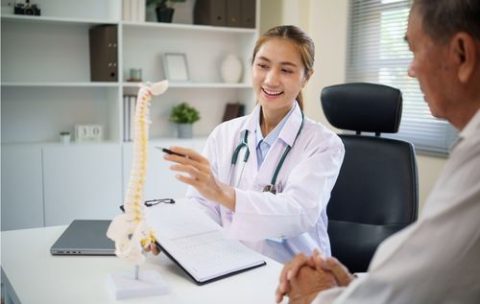
PG Diploma in Orthopedics
PG Diploma in Orthopedics is a comprehensive postgraduate program designed …
What you'll learn
Understand the anatomy, physiology, and pathology of the musculoskeletal system
Diagnose and manage common orthopedic conditions and injuries
Evaluate and treat fractures, dislocations, and soft tissue injuries
Apply principles of orthopedic trauma management and emergency care
Gain knowledge of degenerative joint diseases, arthritis, and osteoporosis
Understand spine disorders and basic spinal care principles
Learn fundamentals of orthopedic surgical procedures and post-operative care
Develop skills in clinical decision-making and patient management
Interpret orthopedic imaging and diagnostic investigations

-22%
PG Diploma in Internal Medicine
The Postgraduate Diploma in Internal Medicine is a structured program …
What you'll learn
Understand the principles and scope of internal medicine and its subspecialties.
Diagnose and manage acute and chronic medical conditions across organ systems.
Interpret laboratory tests, imaging, and diagnostic data effectively.
Apply evidence-based clinical guidelines in patient management.
Recognize and manage medical emergencies in inpatient and outpatient settings.
Develop strong clinical decision-making and problem-solving skills.
Coordinate multidisciplinary care for patients with multiple comorbidities.
Promote preventive health strategies and long-term disease management.
Featured
-20%
Fellowship in Internal Medicine
The Fellowship in Internal Medicine is a comprehensive postgraduate program …
What you'll learn
Understand the pathophysiology and clinical features of major internal medicine disorders.
Diagnose and manage acute and chronic diseases across multiple organ systems.
Apply evidence-based guidelines in the management of complex clinical cases.
Perform and interpret key diagnostic tests and investigations accurately.
Integrate preventive, promotive, and curative approaches in patient care.
Develop strong clinical judgment and multidisciplinary decision-making skills.
Communicate effectively with patients, families, and healthcare teams.
Manage medical emergencies and critical care situations confidently.
Engage in research and continuous medical education for lifelong learning.
Uphold ethical standards and professionalism in all aspects of clinical practice.