
-8%
Fellowship in Medical Oncology
The Fellowship in Medical Oncology is a specialized postgraduate program …
What you'll learn
Understand the epidemiology, biology, and pathophysiology of various cancers.
Diagnose and stage malignant diseases accurately using clinical and diagnostic tools.
Plan and administer chemotherapy, targeted therapy, and immunotherapy safely.
Manage treatment-related toxicities and provide supportive cancer care.
Collaborate with surgical and radiation oncologists for integrated cancer management.
Apply evidence-based protocols in cancer prevention and treatment.
Counsel patients and families on diagnosis, treatment options, and prognosis.
Participate in cancer screening and early detection programs.
Engage in oncology research and contribute to advancements in cancer care.
Uphold ethical and compassionate standards in the practice of medical oncology.n.
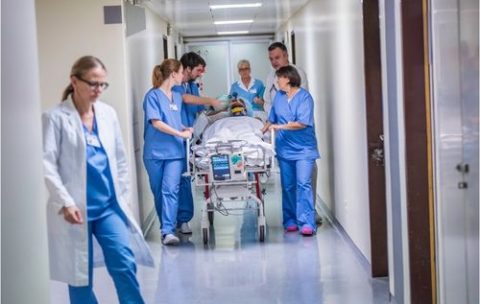
Fellowship in Emergency Medicine
The Fellowship in Emergency Medicine is an advanced postgraduate program …
What you'll learn
Understand the principles and scope of emergency and acute care medicine.
Rapidly assess, triage, and stabilize critically ill or injured patients.
Perform life-saving procedures including airway management and resuscitation.
Manage cardiac, respiratory, neurological, and trauma-related emergencies effectively.
Apply evidence-based protocols for sepsis, shock, and poisoning cases.
Coordinate multidisciplinary emergency teams with clear communication and leadership.
Utilize diagnostic tools and point-of-care testing in emergency settings.
Deliver compassionate, ethical, and patient-centered emergency care.
Develop competence in disaster preparedness and mass casualty management.
Engage in continuous learning and quality improvement in emergency medicine.
Featured
-10%
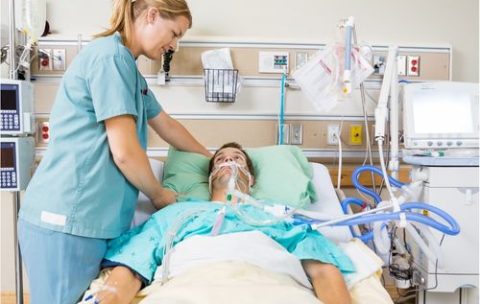
PG Diploma in Critical Care
The Postgraduate Diploma in Critical Care Medicine is a structured …
What you'll learn
Understand the principles and scope of critical care medicine.
Assess and stabilize patients with life-threatening conditions effectively.
Manage mechanical ventilation, fluid therapy, and advanced life support.
Recognize and treat sepsis, shock, respiratory failure, and multi-organ dysfunction.
Interpret vital signs, laboratory data, and critical care diagnostics accurately.
Apply evidence-based protocols and infection control practices in ICUs.
Develop decision-making and leadership skills in high-pressure clinical settings.
Communicate effectively with multidisciplinary teams and patient families.
Engage in continuous professional development and research in critical care.
Uphold ethical standards and promote patient-centered intensive care practices.
-11%
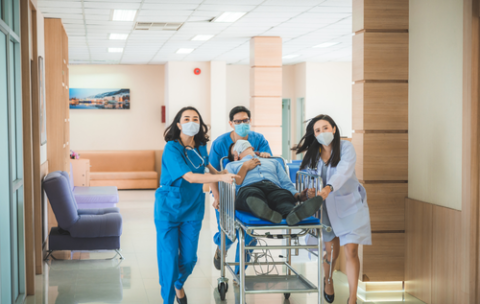
PG Diploma in Emergency Medicine
The Postgraduate Diploma in Emergency Medicine is designed to train …
What you'll learn
Identify, assess, and manage life-threatening emergencies in both adult and pediatric patients.
Perform essential emergency procedures including airway management, CPR, trauma resuscitation, and wound care.
Apply triage principles and prioritize patient care in emergency settings.
Recognize and manage cardiovascular, respiratory, neurological, and toxicological emergencies.
Collaborate effectively with multidisciplinary healthcare teams during crisis situations.
Interpret diagnostic tests, imaging, and laboratory results in acute cases.
Implement evidence-based clinical protocols to improve emergency outcomes.
Demonstrate leadership, communication, and crisis management skills in high-stress environments.
-8%
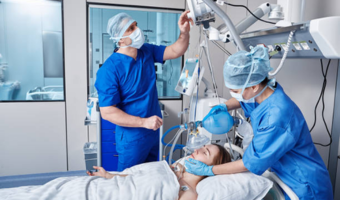
Fellowship in Critical Care
The Fellowship in Critical Care Medicine is a comprehensive program …
What you'll learn
Understand the principles of critical care and intensive care management.
Assess and stabilize critically ill patients using advanced clinical skills.
Manage mechanical ventilation, fluid therapy, and hemodynamic support effectively.
Interpret and utilize critical care monitoring tools and diagnostic modalities.
Recognize and manage sepsis, shock, respiratory failure, and multi-organ dysfunction.
Implement infection control protocols and evidence-based treatment strategies.
Develop effective communication and leadership skills in ICU teams.
Apply ethical and professional principles in end-of-life and critical care decisions.
Engage in clinical research and contribute to advancements in critical care practice.
Promote continuous learning and quality improvement in intensive care medicine.