
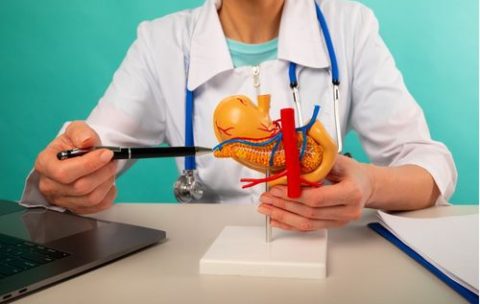
Fellowship in Gastroenterology
The Fellowship in Gastroenterology is an advanced postgraduate program designed …
What you'll learn
Understand the anatomy, physiology, and pathology of the gastrointestinal system.
Diagnose and manage common and complex gastrointestinal and hepatobiliary disorders.
Perform and interpret diagnostic procedures such as endoscopy and colonoscopy.
Manage patients with acute gastrointestinal bleeding and liver failure.
Understand the principles of nutrition and its role in digestive health.
Apply evidence-based approaches in the treatment of GI and liver diseases.
Collaborate in multidisciplinary teams for comprehensive patient management.
Promote preventive gastroenterology through early screening and lifestyle modification.
Engage in research and stay updated on advances in gastroenterology.
Uphold ethical and patient-centered practice in gastrointestinal care.
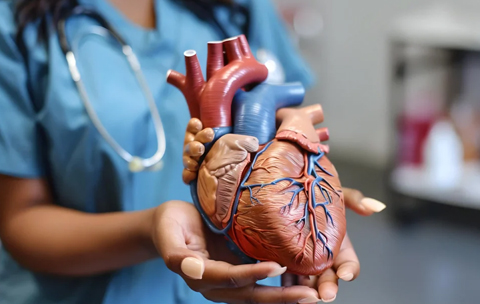
Featured
PG Diploma in Clinical Cardiology
The Postgraduate Diploma in Cardiology is an advanced academic program …
What you'll learn
Understand the anatomy, physiology, and pathophysiology of the cardiovascular system.
Identify, evaluate, and manage common and complex cardiac disorders.
Interpret ECGs, echocardiograms, and other key cardiac diagnostic tests accurately.
Apply evidence-based guidelines in cardiac disease management and prevention.
Develop competence in managing cardiac emergencies and acute coronary syndromes.
Understand pharmacological and non-pharmacological approaches to cardiovascular care.
Promote preventive cardiology through lifestyle interventions and patient education.
Engage in research and continuous learning in the field of cardiology.
Collaborate effectively within multidisciplinary cardiac care teams.
Uphold ethical standards and professional integrity in cardiac practice.

Fellowship in Clinical Cardiology
The Fellowship in Cardiology is a postgraduate program designed to …
What you'll learn
Demonstrate advanced understanding of cardiovascular anatomy, physiology, and pathology.
Diagnose and manage common and complex cardiovascular diseases with confidence.
Interpret and utilize diagnostic tools including ECG, echocardiography, and stress testing.
Understand the indications, techniques, and outcomes of interventional cardiology procedures.
Develop skills in managing cardiac emergencies and acute coronary syndromes.
Apply evidence-based medicine principles in the treatment and prevention of heart diseases.
Promote lifestyle modifications and preventive strategies to reduce cardiovascular risk.
Engage in clinical research and contribute to advancements in cardiology.
Collaborate effectively within multidisciplinary cardiac care teams.
Foster continuous learning and ethical practice in cardiovascular medicine.