

-21%
Advance Certificate in Clinical Cardiology
This Advanced Course in Clinical Cardiology provides in-depth clinical understanding …
What you'll learn
Learn systematic history taking and clinical examination.
Understand ECG patterns, abnormalities, ischemic changes and common arrhythmias.
Develop knowledge of hypertension, CAD, heart failure, valvular diseases and cardiomyopathies.
Recognize acute coronary syndromes, dangerous arrhythmias, cardiac arrest and cardiovascular emergencies.
Understand and interpret key cardiac investigations and reports.

Featured
-24%
Fellowship in Reproductive Medicine
The Fellowship in Reproductive Medicine is a specialized postgraduate program …
What you'll learn
Understand the physiology and endocrinology of human reproduction.
Diagnose and manage male and female infertility effectively.
Perform ovulation monitoring and controlled ovarian stimulation.
Gain exposure to IVF, ICSI, and other ART techniques.
Manage recurrent pregnancy loss and hormonal imbalances.
Interpret reproductive imaging and laboratory investigations accurately.
Counsel couples on infertility treatments and reproductive options.
Apply evidence-based protocols in reproductive medicine practice.
Understand the principles of embryology and cryopreservation.
Uphold ethical and compassionate care in fertility management.

Featured
-20%
PG Diploma in Clinical Cardiology
The Postgraduate Diploma in Cardiology is an advanced academic program …
What you'll learn
Understand the anatomy, physiology, and pathophysiology of the cardiovascular system.
Identify, evaluate, and manage common and complex cardiac disorders.
Interpret ECGs, echocardiograms, and other key cardiac diagnostic tests accurately.
Apply evidence-based guidelines in cardiac disease management and prevention.
Develop competence in managing cardiac emergencies and acute coronary syndromes.
Understand pharmacological and non-pharmacological approaches to cardiovascular care.
Promote preventive cardiology through lifestyle interventions and patient education.
Engage in research and continuous learning in the field of cardiology.
Collaborate effectively within multidisciplinary cardiac care teams.
Uphold ethical standards and professional integrity in cardiac practice.

-24%
Fellowship in Clinical Cardiology
The Fellowship in Cardiology is a postgraduate program designed to …
What you'll learn
Demonstrate advanced understanding of cardiovascular anatomy, physiology, and pathology.
Diagnose and manage common and complex cardiovascular diseases with confidence.
Interpret and utilize diagnostic tools including ECG, echocardiography, and stress testing.
Understand the indications, techniques, and outcomes of interventional cardiology procedures.
Develop skills in managing cardiac emergencies and acute coronary syndromes.
Apply evidence-based medicine principles in the treatment and prevention of heart diseases.
Promote lifestyle modifications and preventive strategies to reduce cardiovascular risk.
Engage in clinical research and contribute to advancements in cardiology.
Collaborate effectively within multidisciplinary cardiac care teams.
Foster continuous learning and ethical practice in cardiovascular medicine.
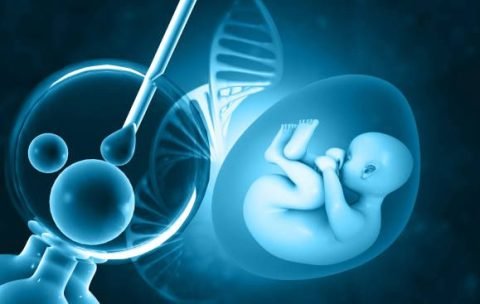
-10%
PGD in Reproductive Medicine
The course aims to bridge the knowledge gap for medical …
What you'll learn
Understand the basic principles of reproductive medicine and infertility management.
Explain the fundamentals of human genetics relevant to reproduction.
Understand the IVF workflow and identify where PGD is incorporated.
Recognise common chromosomal and monogenic disorders affecting fertility and pregnancy outcomes.