

-31%
Advance Certificate in Family Medicine
The 6-Month Advanced Certificate Course in Family Medicine is designed …
What you'll learn
Develop strong clinical reasoning and differential diagnosis skills.
Manage common and complex chronic medical conditions.
Improve ECG, laboratory and diagnostic interpretation.
Handle acute and emergency presentations in primary care.
Understand comprehensive women’s, pediatric and geriatric care.
Apply principles of mental health, nutrition and lifestyle medicine,

-23%
Advance Certificate in Critical Care
This Advanced Critical Care course focuses on comprehensive ICU management, …
What you'll learn
Learn systematic assessment and management of critically ill patients.
Learn ventilator modes, settings, monitoring and troubleshooting.
Understand airway assessment, oxygenation and ventilation strategies.
Learn lung-protective ventilation and advanced respiratory support principles.
Understand different types of shock, fluid resuscitation and hemodynamic support.
Learn early recognition, stabilization and organ-support principles.
Build confidence in interpreting essential critical-care investigations.
Learn clinical and hemodynamic monitoring of critically ill patients.
Understand acute coronary syndromes, arrhythmias and acute heart failure.
-23%
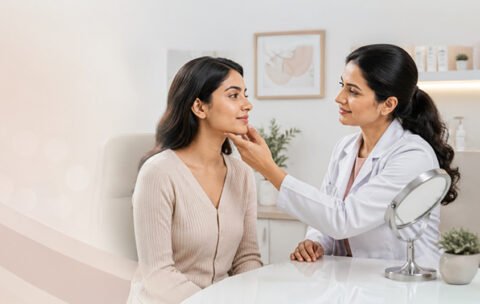
Advance Certificate in Dermatology
The 6-Month Advanced Certificate Course in Dermatology provides comprehensive training …
What you'll learn
Identify common hair, scalp, and nail disorders.
Understand the hair growth cycle and causes of hair loss.
Differentiate between scarring and non-scarring alopecia.
Evaluate common types of hair fall and alopecia.
Recognize common nail infections and nail disorders.
Understand treatment principles for common hair, scalp, and nail conditions
-21%
Advance Certificate in Clinical Cardiology
This Advanced Course in Clinical Cardiology provides in-depth clinical understanding …
What you'll learn
Learn systematic history taking and clinical examination.
Understand ECG patterns, abnormalities, ischemic changes and common arrhythmias.
Develop knowledge of hypertension, CAD, heart failure, valvular diseases and cardiomyopathies.
Recognize acute coronary syndromes, dangerous arrhythmias, cardiac arrest and cardiovascular emergencies.
Understand and interpret key cardiac investigations and reports.

-17%
PG Diploma in Orthopedics
PG Diploma in Orthopedics is a comprehensive postgraduate program designed …
What you'll learn
Understand the anatomy, physiology, and pathology of the musculoskeletal system
Diagnose and manage common orthopedic conditions and injuries
Evaluate and treat fractures, dislocations, and soft tissue injuries
Apply principles of orthopedic trauma management and emergency care
Gain knowledge of degenerative joint diseases, arthritis, and osteoporosis
Understand spine disorders and basic spinal care principles
Learn fundamentals of orthopedic surgical procedures and post-operative care
Develop skills in clinical decision-making and patient management
Interpret orthopedic imaging and diagnostic investigations

-22%
PG Diploma in Internal Medicine
The Postgraduate Diploma in Internal Medicine is a structured program …
What you'll learn
Understand the principles and scope of internal medicine and its subspecialties.
Diagnose and manage acute and chronic medical conditions across organ systems.
Interpret laboratory tests, imaging, and diagnostic data effectively.
Apply evidence-based clinical guidelines in patient management.
Recognize and manage medical emergencies in inpatient and outpatient settings.
Develop strong clinical decision-making and problem-solving skills.
Coordinate multidisciplinary care for patients with multiple comorbidities.
Promote preventive health strategies and long-term disease management.

-29%
PG Diploma in Emergency Medicine
The Postgraduate Diploma in Emergency Medicine is designed to train …
What you'll learn
Identify, assess, and manage life-threatening emergencies in both adult and pediatric patients.
Perform essential emergency procedures including airway management, CPR, trauma resuscitation, and wound care.
Apply triage principles and prioritize patient care in emergency settings.
Recognize and manage cardiovascular, respiratory, neurological, and toxicological emergencies.
Collaborate effectively with multidisciplinary healthcare teams during crisis situations.
Interpret diagnostic tests, imaging, and laboratory results in acute cases.
Implement evidence-based clinical protocols to improve emergency outcomes.
Demonstrate leadership, communication, and crisis management skills in high-stress environments.

Featured
-14%
PG Diploma In Family Medicine
The Postgraduate Diploma in Family Medicine is designed to empower …
What you'll learn
Understand the principles and scope of family medicine and primary healthcare.
Diagnose and manage common acute and chronic conditions across all age groups.
Deliver preventive, promotive, and rehabilitative healthcare in community settings.
Coordinate multidisciplinary care and referral pathways effectively.
Apply evidence-based guidelines in clinical decision-making.
Promote patient education, lifestyle modification, and long-term disease management.
Strengthen communication and counseling skills for holistic patient care.
Integrate ethical, social, and cultural factors into clinical practice.