
-31%
Advance Certificate in Family Medicine
The 6-Month Advanced Certificate Course in Family Medicine is designed …
What you'll learn
Develop strong clinical reasoning and differential diagnosis skills.
Manage common and complex chronic medical conditions.
Improve ECG, laboratory and diagnostic interpretation.
Handle acute and emergency presentations in primary care.
Understand comprehensive women’s, pediatric and geriatric care.
Apply principles of mental health, nutrition and lifestyle medicine,
-23%
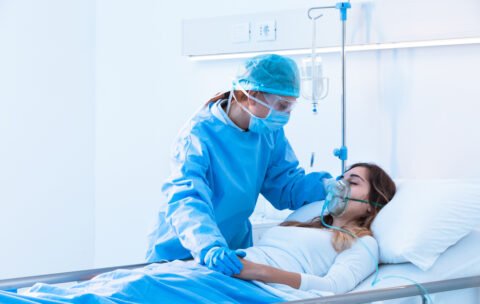
Advance Certificate in Critical Care
This Advanced Critical Care course focuses on comprehensive ICU management, …
What you'll learn
Learn systematic assessment and management of critically ill patients.
Learn ventilator modes, settings, monitoring and troubleshooting.
Understand airway assessment, oxygenation and ventilation strategies.
Learn lung-protective ventilation and advanced respiratory support principles.
Understand different types of shock, fluid resuscitation and hemodynamic support.
Learn early recognition, stabilization and organ-support principles.
Build confidence in interpreting essential critical-care investigations.
Learn clinical and hemodynamic monitoring of critically ill patients.
Understand acute coronary syndromes, arrhythmias and acute heart failure.
-23%
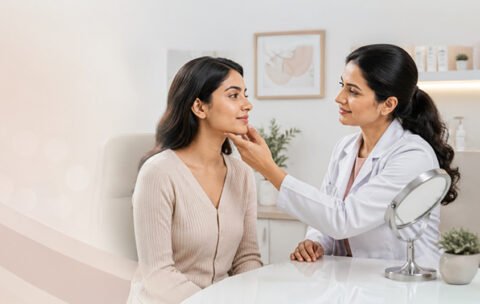
Advance Certificate in Dermatology
The 6-Month Advanced Certificate Course in Dermatology provides comprehensive training …
What you'll learn
Identify common hair, scalp, and nail disorders.
Understand the hair growth cycle and causes of hair loss.
Differentiate between scarring and non-scarring alopecia.
Evaluate common types of hair fall and alopecia.
Recognize common nail infections and nail disorders.
Understand treatment principles for common hair, scalp, and nail conditions
-21%
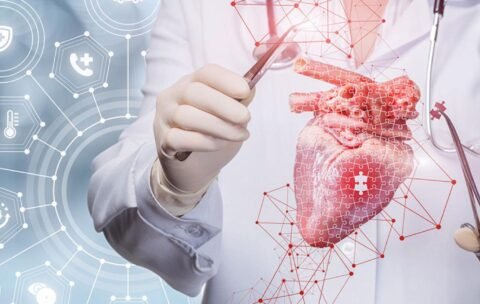
Advance Certificate in Clinical Cardiology
This Advanced Course in Clinical Cardiology provides in-depth clinical understanding …
What you'll learn
Learn systematic history taking and clinical examination.
Understand ECG patterns, abnormalities, ischemic changes and common arrhythmias.
Develop knowledge of hypertension, CAD, heart failure, valvular diseases and cardiomyopathies.
Recognize acute coronary syndromes, dangerous arrhythmias, cardiac arrest and cardiovascular emergencies.
Understand and interpret key cardiac investigations and reports.
-20%
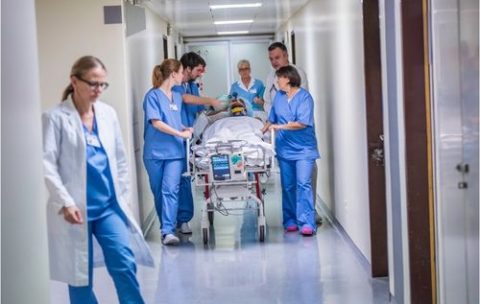
Fellowship in Emergency Medicine
The Fellowship in Emergency Medicine is an advanced postgraduate program …
What you'll learn
Understand the principles and scope of emergency and acute care medicine.
Rapidly assess, triage, and stabilize critically ill or injured patients.
Perform life-saving procedures including airway management and resuscitation.
Manage cardiac, respiratory, neurological, and trauma-related emergencies effectively.
Apply evidence-based protocols for sepsis, shock, and poisoning cases.
Coordinate multidisciplinary emergency teams with clear communication and leadership.
Utilize diagnostic tools and point-of-care testing in emergency settings.
Deliver compassionate, ethical, and patient-centered emergency care.
Develop competence in disaster preparedness and mass casualty management.
Engage in continuous learning and quality improvement in emergency medicine.

-21%
Fellowship in Pediatrics
The Fellowship in Pediatrics is a specialized postgraduate program designed …
What you'll learn
Understand child growth, development, and pediatric physiology.
Diagnose and manage common and complex pediatric disorders.
Provide preventive care through immunization and health education.
Manage neonatal and pediatric emergencies effectively.
Recognize and treat nutritional and metabolic conditions in children.
Apply evidence-based guidelines in pediatric care and management.
Counsel parents and caregivers for optimal child health.
Monitor developmental milestones and identify early warning signs.
Promote holistic, family-centered, and ethical pediatric practice.
Engage in research and continuous learning in pediatric medicine.
-24%
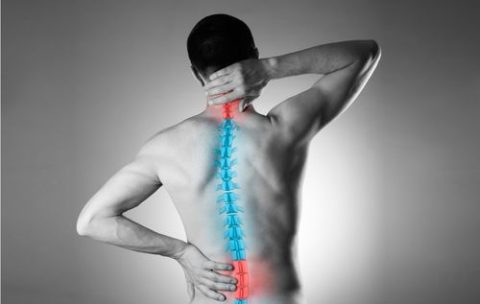
Fellowship in Orthopedics
The Fellowship in Orthopedics is an advanced postgraduate program designed …
What you'll learn
Understand the anatomy and biomechanics of the musculoskeletal system.
Diagnose and manage fractures, dislocations, and orthopedic trauma.
Perform and assist in common orthopedic surgical procedures.
Apply evidence-based approaches to joint, bone, and spine disorders.
Manage degenerative, infectious, and inflammatory orthopedic diseases.
Provide preoperative and postoperative care for orthopedic patients.
Utilize imaging and diagnostic tools for accurate assessment.
Implement rehabilitation and physiotherapy principles in recovery plans.
Manage sports-related injuries and musculoskeletal pain effectively.
Uphold ethical standards and patient-centered care in orthopedic practice.
-17%
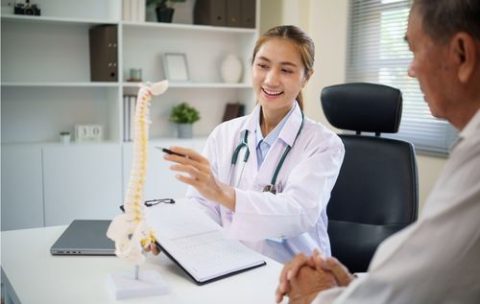
PG Diploma in Orthopedics
PG Diploma in Orthopedics is a comprehensive postgraduate program designed …
What you'll learn
Understand the anatomy, physiology, and pathology of the musculoskeletal system
Diagnose and manage common orthopedic conditions and injuries
Evaluate and treat fractures, dislocations, and soft tissue injuries
Apply principles of orthopedic trauma management and emergency care
Gain knowledge of degenerative joint diseases, arthritis, and osteoporosis
Understand spine disorders and basic spinal care principles
Learn fundamentals of orthopedic surgical procedures and post-operative care
Develop skills in clinical decision-making and patient management
Interpret orthopedic imaging and diagnostic investigations