
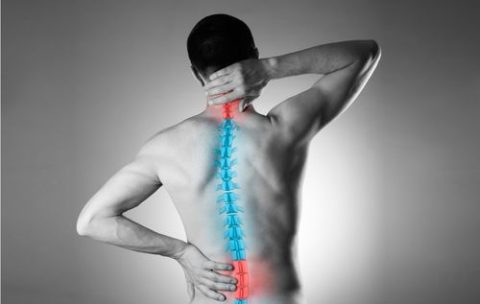
-24%
Fellowship in Orthopedics
The Fellowship in Orthopedics is an advanced postgraduate program designed …
What you'll learn
Understand the anatomy and biomechanics of the musculoskeletal system.
Diagnose and manage fractures, dislocations, and orthopedic trauma.
Perform and assist in common orthopedic surgical procedures.
Apply evidence-based approaches to joint, bone, and spine disorders.
Manage degenerative, infectious, and inflammatory orthopedic diseases.
Provide preoperative and postoperative care for orthopedic patients.
Utilize imaging and diagnostic tools for accurate assessment.
Implement rehabilitation and physiotherapy principles in recovery plans.
Manage sports-related injuries and musculoskeletal pain effectively.
Uphold ethical standards and patient-centered care in orthopedic practice.
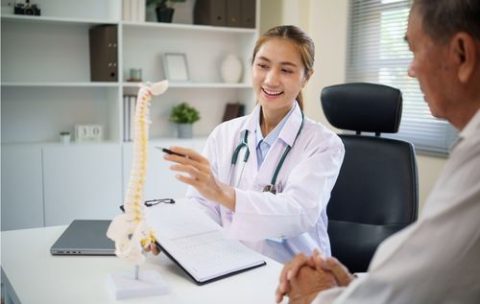
-17%
PG Diploma in Orthopedics
PG Diploma in Orthopedics is a comprehensive postgraduate program designed …
What you'll learn
Understand the anatomy, physiology, and pathology of the musculoskeletal system
Diagnose and manage common orthopedic conditions and injuries
Evaluate and treat fractures, dislocations, and soft tissue injuries
Apply principles of orthopedic trauma management and emergency care
Gain knowledge of degenerative joint diseases, arthritis, and osteoporosis
Understand spine disorders and basic spinal care principles
Learn fundamentals of orthopedic surgical procedures and post-operative care
Develop skills in clinical decision-making and patient management
Interpret orthopedic imaging and diagnostic investigations
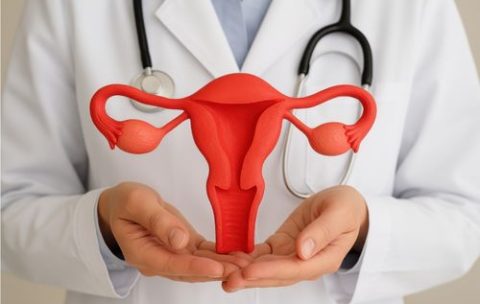
-22%
Fellowship in Obstetrics and Gynaecology
The Fellowship in Obstetrics and Gynaecology is an advanced postgraduate …
What you'll learn
Understand the anatomy, physiology, and pathology of the female reproductive system.
Manage normal and high-risk pregnancies with confidence and care.
Diagnose and treat common gynecological disorders effectively.
Perform and interpret essential obstetric and gynecological procedures.
Handle obstetric emergencies and postpartum complications skillfully.
Apply evidence-based practices in maternal and reproductive healthcare.
Provide infertility assessment, counseling, and basic reproductive treatment.
Develop strong communication and patient counseling skills.
Promote preventive healthcare and women’s wellness programs.
Uphold ethical, patient-centered, and compassionate clinical practice.

-22%
PG Diploma in Internal Medicine
The Postgraduate Diploma in Internal Medicine is a structured program …
What you'll learn
Understand the principles and scope of internal medicine and its subspecialties.
Diagnose and manage acute and chronic medical conditions across organ systems.
Interpret laboratory tests, imaging, and diagnostic data effectively.
Apply evidence-based clinical guidelines in patient management.
Recognize and manage medical emergencies in inpatient and outpatient settings.
Develop strong clinical decision-making and problem-solving skills.
Coordinate multidisciplinary care for patients with multiple comorbidities.
Promote preventive health strategies and long-term disease management.
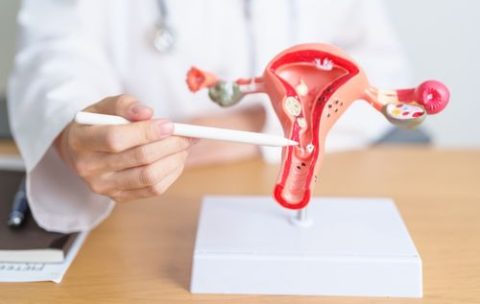
Featured
-24%
Fellowship in Reproductive Medicine
The Fellowship in Reproductive Medicine is a specialized postgraduate program …
What you'll learn
Understand the physiology and endocrinology of human reproduction.
Diagnose and manage male and female infertility effectively.
Perform ovulation monitoring and controlled ovarian stimulation.
Gain exposure to IVF, ICSI, and other ART techniques.
Manage recurrent pregnancy loss and hormonal imbalances.
Interpret reproductive imaging and laboratory investigations accurately.
Counsel couples on infertility treatments and reproductive options.
Apply evidence-based protocols in reproductive medicine practice.
Understand the principles of embryology and cryopreservation.
Uphold ethical and compassionate care in fertility management.
-29%
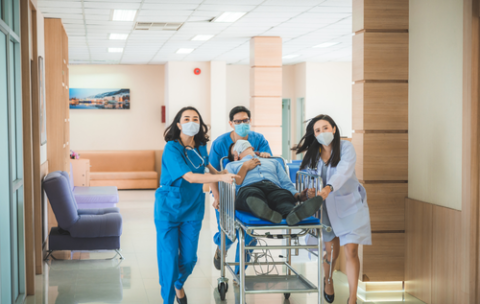
PG Diploma in Emergency Medicine
The Postgraduate Diploma in Emergency Medicine is designed to train …
What you'll learn
Identify, assess, and manage life-threatening emergencies in both adult and pediatric patients.
Perform essential emergency procedures including airway management, CPR, trauma resuscitation, and wound care.
Apply triage principles and prioritize patient care in emergency settings.
Recognize and manage cardiovascular, respiratory, neurological, and toxicological emergencies.
Collaborate effectively with multidisciplinary healthcare teams during crisis situations.
Interpret diagnostic tests, imaging, and laboratory results in acute cases.
Implement evidence-based clinical protocols to improve emergency outcomes.
Demonstrate leadership, communication, and crisis management skills in high-stress environments.
Featured
-20%
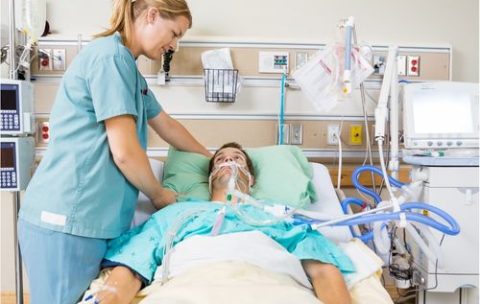
PG Diploma in Critical Care
The Postgraduate Diploma in Critical Care Medicine is a structured …
What you'll learn
Understand the principles and scope of critical care medicine.
Assess and stabilize patients with life-threatening conditions effectively.
Manage mechanical ventilation, fluid therapy, and advanced life support.
Recognize and treat sepsis, shock, respiratory failure, and multi-organ dysfunction.
Interpret vital signs, laboratory data, and critical care diagnostics accurately.
Apply evidence-based protocols and infection control practices in ICUs.
Develop decision-making and leadership skills in high-pressure clinical settings.
Communicate effectively with multidisciplinary teams and patient families.
Engage in continuous professional development and research in critical care.
Uphold ethical standards and promote patient-centered intensive care practices.

Featured
-14%
PG Diploma In Family Medicine
The Postgraduate Diploma in Family Medicine is designed to empower …
What you'll learn
Understand the principles and scope of family medicine and primary healthcare.
Diagnose and manage common acute and chronic conditions across all age groups.
Deliver preventive, promotive, and rehabilitative healthcare in community settings.
Coordinate multidisciplinary care and referral pathways effectively.
Apply evidence-based guidelines in clinical decision-making.
Promote patient education, lifestyle modification, and long-term disease management.
Strengthen communication and counseling skills for holistic patient care.
Integrate ethical, social, and cultural factors into clinical practice.