
Featured
-20%
Fellowship in Internal Medicine
The Fellowship in Internal Medicine is a comprehensive postgraduate program …
What you'll learn
Understand the pathophysiology and clinical features of major internal medicine disorders.
Diagnose and manage acute and chronic diseases across multiple organ systems.
Apply evidence-based guidelines in the management of complex clinical cases.
Perform and interpret key diagnostic tests and investigations accurately.
Integrate preventive, promotive, and curative approaches in patient care.
Develop strong clinical judgment and multidisciplinary decision-making skills.
Communicate effectively with patients, families, and healthcare teams.
Manage medical emergencies and critical care situations confidently.
Engage in research and continuous medical education for lifelong learning.
Uphold ethical standards and professionalism in all aspects of clinical practice.
Featured
-20%
Fellowship in Family Medicine
The Fellowship in Family Medicine is a comprehensive postgraduate program …
What you'll learn
Provide comprehensive and continuous care to individuals and families.
Diagnose and manage common medical, pediatric, surgical, and gynecological conditions.
Implement preventive and promotive healthcare strategies in the community.
Coordinate multidisciplinary care and make timely specialist referrals.
Manage chronic diseases such as diabetes, hypertension, and asthma effectively.
Apply evidence-based clinical guidelines in primary care practice.
Develop strong communication and counseling skills for patient education.
Promote ethical, compassionate, and patient-centered medical practice.
Utilize public health principles to improve community health outcomes.
Engage in continuous learning and contribute to healthcare system development.
Featured
-20%
PG Diploma in Clinical Cardiology
The Postgraduate Diploma in Cardiology is an advanced academic program …
What you'll learn
Understand the anatomy, physiology, and pathophysiology of the cardiovascular system.
Identify, evaluate, and manage common and complex cardiac disorders.
Interpret ECGs, echocardiograms, and other key cardiac diagnostic tests accurately.
Apply evidence-based guidelines in cardiac disease management and prevention.
Develop competence in managing cardiac emergencies and acute coronary syndromes.
Understand pharmacological and non-pharmacological approaches to cardiovascular care.
Promote preventive cardiology through lifestyle interventions and patient education.
Engage in research and continuous learning in the field of cardiology.
Collaborate effectively within multidisciplinary cardiac care teams.
Uphold ethical standards and professional integrity in cardiac practice.

-24%
Fellowship in Clinical Cardiology
The Fellowship in Cardiology is a postgraduate program designed to …
What you'll learn
Demonstrate advanced understanding of cardiovascular anatomy, physiology, and pathology.
Diagnose and manage common and complex cardiovascular diseases with confidence.
Interpret and utilize diagnostic tools including ECG, echocardiography, and stress testing.
Understand the indications, techniques, and outcomes of interventional cardiology procedures.
Develop skills in managing cardiac emergencies and acute coronary syndromes.
Apply evidence-based medicine principles in the treatment and prevention of heart diseases.
Promote lifestyle modifications and preventive strategies to reduce cardiovascular risk.
Engage in clinical research and contribute to advancements in cardiology.
Collaborate effectively within multidisciplinary cardiac care teams.
Foster continuous learning and ethical practice in cardiovascular medicine.

-25%
Fellowship in Critical Care
The Fellowship in Critical Care Medicine is a comprehensive program …
What you'll learn
Understand the principles of critical care and intensive care management.
Assess and stabilize critically ill patients using advanced clinical skills.
Manage mechanical ventilation, fluid therapy, and hemodynamic support effectively.
Interpret and utilize critical care monitoring tools and diagnostic modalities.
Recognize and manage sepsis, shock, respiratory failure, and multi-organ dysfunction.
Implement infection control protocols and evidence-based treatment strategies.
Develop effective communication and leadership skills in ICU teams.
Apply ethical and professional principles in end-of-life and critical care decisions.
Engage in clinical research and contribute to advancements in critical care practice.
Promote continuous learning and quality improvement in intensive care medicine.

-19%
Fellowship in Dermatology
A specialized training program in Medical Dermatology, focusing on the …
What you'll learn
This specialized field offers a unique opportunity to delve deeper into the diagnosis, treatment, and management of various dermatological conditions.
Individuals can enhance their knowledge and expertise in the field, enabling them to provide comprehensive care to patients with skin disorders.
This fellowship equips individuals with the skills necessary to address the growing demand for dermatological services, ensuring that patients receive optimal care.
Mastery of aesthetic procedures including Botox, dermal fillers, chemical peels, and laser treatments for skin rejuvenation.
Training in identifying and treating various skin cancers, including performing biopsies, Mohs surgery, and non-surgical treatments.

-14%
PGD in Pediatrics
The Post Graduate Diploma in Pediatrics is a comprehensive, clinically …
What you'll learn
Develop a strong understanding of normal growth, development, and nutrition in infants, children, and adolescents.
Provide effective newborn and neonatal care, including the management of preterm and low-birth-weight infants.
Identify and manage pediatric emergencies such as shock, seizures, acute asthma, dehydration, and poisoning.
Interpret basic pediatric investigations and plan appropriate treatment and referral when required.
-10%
PGD in Reproductive Medicine
The course aims to bridge the knowledge gap for medical …
What you'll learn
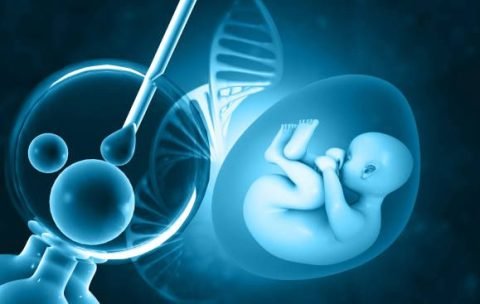
Understand the basic principles of reproductive medicine and infertility management.
Explain the fundamentals of human genetics relevant to reproduction.
Understand the IVF workflow and identify where PGD is incorporated.
Recognise common chromosomal and monogenic disorders affecting fertility and pregnancy outcomes.